

Anxiety is one of the most common reasons adults seek therapy—but it’s also one of the most misunderstood. Many people ask, “What is the best treatment for anxiety?” hoping for a single answer. The truth is: the best treatment for anxiety depends on what is driving it, how it shows up, and how your nervous system learned to cope.
Effective anxiety treatment doesn’t just aim to reduce symptoms. It helps people understand why their anxiety exists and how to respond to it in a way that creates long-term relief.
What Anxiety Really Is (and Isn’t)
Anxiety isn’t a personal weakness or a lack of coping skills. It’s a protective response—your nervous system trying to keep you safe from perceived threat.
For some adults, anxiety looks like:
- Constant worry or overthinking
- Panic attacks or physical symptoms (tight chest, racing heart, nausea)
- Difficulty sleeping or relaxing
- Avoidance of people, situations, or decisions
- Perfectionism, people-pleasing, or fear of making mistakes
These patterns often make sense when we look at someone’s history, temperament, and early experiences.

Why There Is No One-Size-Fits-All Treatment
Anxiety can be driven by:
- Chronic stress or burnout
- Trauma or unresolved emotional experiences
- Attachment wounds from early relationships
- Learned patterns of control or hypervigilance
- A sensitive or highly attuned nervous system
Because anxiety serves different functions for different people, effective treatment is often integrative, drawing from multiple therapeutic approaches.
Below are some of the most effective, evidence-based therapies for adult anxiety.
Internal Family Systems (IFS) Therapy for Anxiety
Internal Family Systems (IFS) is a trauma-informed approach that views anxiety as a part of you—not the whole of you.
From an IFS perspective, anxiety is often a protector part whose job is to:
- Anticipate danger
- Prevent mistakes or rejection
- Keep painful emotions from surfacing
Rather than trying to eliminate anxiety, IFS helps you:
- Understand what your anxious part is protecting
- Build a compassionate relationship with it
- Reduce internal conflict and self-criticism
- Heal the underlying emotional wounds driving anxiety
Many adults find IFS especially helpful when anxiety feels constant, intrusive, or tied to shame, control, or early relational experiences.
Acceptance and Commitment Therapy (ACT)
Acceptance and Commitment Therapy (ACT) focuses on changing your relationship with anxiety rather than trying to get rid of it.
ACT teaches that struggling against anxiety often makes it stronger. Instead, it helps people:
- Notice anxious thoughts without getting hooked by them
- Accept uncomfortable internal experiences without avoidance
- Clarify values and live in alignment with what matters
- Take meaningful action even when anxiety is present
ACT is particularly effective for:
- Generalized anxiety
- Health anxiety
- Performance anxiety
- Anxiety driven by perfectionism or overcontrol
The goal isn’t feeling calm all the time—it’s living a full, values-based life without anxiety running the show.
Cognitive Behavioral Therapy (CBT)
CBT is one of the most well-researched treatments for anxiety and focuses on the relationship between thoughts, emotions, and behaviors.
Cognitive Behavioral Therapy helps adults:
- Identify unhelpful thought patterns
- Test fears against evidence
- Reduce avoidance behaviors
- Build coping and grounding skills
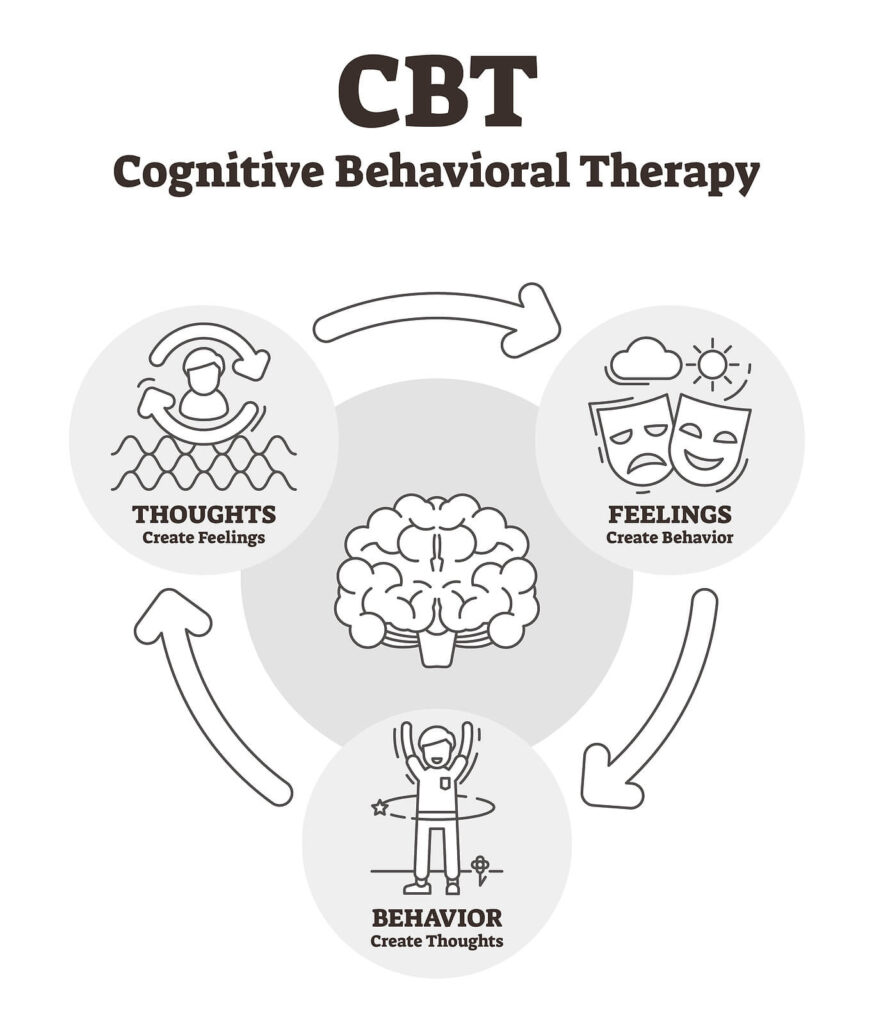
CBT is often helpful for:
- Panic disorder
- Phobias
- Social anxiety
- Situational or skill-based anxiety
For some people, CBT works best when combined with deeper emotional or trauma-informed approaches.
EMDR for Anxiety Linked to Past Experiences
When anxiety is connected to unprocessed memories or trauma, EMDR (Eye Movement Desensitization and Reprocessing) can be highly effective.
EMDR helps the brain reprocess experiences that taught the nervous system the world is unsafe. Even if the events don’t feel “traumatic,” they may still carry emotional charge.
EMDR can help with:
- Panic attacks with no clear trigger
- Anxiety tied to childhood experiences
- Medical, relational, or performance trauma
- Chronic hypervigilance
Rather than managing anxiety, EMDR helps resolve the root of it.
Attachment-Focused Therapy for Anxiety
Many adults with anxiety developed it in the context of relationships.
- Attachment-focused therapy helps address anxiety that shows up as:
- Fear of abandonment or rejection
- Difficulty trusting others
- Anxiety in romantic or family relationships
- Emotional dependence or emotional withdrawal
Treatment focuses on:
- Nervous system regulation
- Developing emotional safety
- Building secure relational patterns
- Repairing internal beliefs about worth and connection
For many adults, anxiety improves when relationships feel safer—internally and externally.
So… What Is the Best Treatment for Anxiety?
The most effective treatment for adult anxiety is often:
- Individualized
- Trauma-informed
- Nervous-system aware
- Compassion-based
- Integrative
Anxiety doesn’t need to be fought or eliminated to heal. When it’s understood, supported, and addressed at its roots, it often softens on its own.

You Don’t Have to Live in Survival Mode
If you’ve tried to “manage” your anxiety without lasting relief, it doesn’t mean you’ve failed—it means your system may need a different kind of support.
Our anxiety therapists at West Houston Counseling Center can help you:
- Feel safer in your body
- Quiet the constant mental noise
- Respond instead of react
- Build a life that feels more grounded and spacious
Choosing the Right Anxiety Treatment in Katy, TX
Anxiety is not the enemy. It’s a signal—and with the right treatment, it can become a guide rather than a barrier. It’s about understanding why your anxiety developed, what it’s trying to protect, and how to help your nervous system finally feel safe enough to rest.
At West Houston Counseling Center, we work with adults who are ready for more than coping strategies. We offer thoughtful, trauma-informed anxiety therapy that’s tailored to you, your history, your relationships, and your inner world.
- Reach out to us here to get paired with an anxiety therapist in Katy, TX.
- Explore our blogs for additional insights into stress, anxiety, relationships, and more. Check out our social media here: Facebook, Instagram
- You deserve more than survival mode. You deserve clarity, steadiness, and relief that actually lasts.
Other Services We Offer in Katy, TX
In addition to anxiety treatment, WHCC offers a wide range of services to support the entire family. Our team provides child therapy to help children navigate emotional challenges and teen therapy to address personal growth, mental health, and well-being. We also specialize in parent coaching, offering tailored strategies to support parents in fostering healthy relationships with their children. For couples, we provide marriage or relationship counseling to strengthen connections and improve communication. Our LENS neurofeedback offers a cutting-edge approach to managing anxiety, ADHD, and more.